
 Listing checkedFreemiumPaidContact sales
Emergent
Describe a web or mobile app in plain language and Emergent's coding agent builds, hosts and deploys it, metered in monthly credits.
- Ratings
- No member reviews yet
- Price
- From $20/mo
- Last updated

Key takeaways
- Emergent is a prompt-to-app builder: you describe a web or mobile application in plain language and its coding agent writes, designs and deploys it, with authentication, a database, hosting and Stripe or Razorpay payments included. It runs in the browser. As of August 2026 there is no confirmed desktop app, CLI or public API.
- The pitch is aimed at nontechnical founders, but the plan ladder pulls toward engineering teams: Standard adds GitHub integration and task forking, Pro adds system-prompt editing and custom agents, and Enterprise adds VPC deployment, SSO and audit logs. The company said in July 2026 that it had more than 200,000 paying customers, a figure it reports itself.
- As of August 2026, Free gives 10 credits a month, Standard costs $20 a month for 100 credits, and Pro jumps to $200 a month for 750 credits with nothing in between. Every AI action spends credits, reviewers report they burn fast during debugging, and monthly payments are non-refundable once billed.
- Third-party estimates put June 2026 traffic somewhere between 6.8 million and 8.2 million visits, roughly double the November 2025 level, though one series shows a dip of about 10% from May to June. Close to a third of visitors come from India, and paid search plus display ads bring in nearly 30% of traffic.
- The complaint that repeats across 2026 reviews is credits spent fixing regressions the agent introduced itself. Trustpilot reviewers also describe login failures, deployed sites going offline for long stretches, and billing that continued while a service was down. Those are user allegations, not verified findings, but they recur.

What is Emergent?
Emergent is a hosted AI development platform that turns a natural-language description into a working full-stack application. You write what you want, a dashboard, an e-commerce store, a SaaS tool, a multi-user platform, and the coding agent produces the interface, backend services, database, authentication and hosting, then deploys it. Output covers web apps and mobile apps, and the enterprise page lists native iOS and Android builds. There is no code to write at the start, though paid plans expose engineering controls such as GitHub integration and system-prompt editing for people who want them.
Scope is what separates it from a conventional no-code builder. Emergent is a coding agent that generates real software and wires in the services around it, rather than a drag-and-drop canvas with a database bolted on. That means Stripe and Razorpay payments, one-click LLM integration, and, on the enterprise page, more than 100 integrations and MCP connections. An in-product assistant called Emmy sits beside the build and helps scope the idea, draft prompts and explain the controls. Emergent markets access to "the most advanced models" and a feature called Ultra Thinking, but it doesn't name the model vendors or versions behind them, so treat the underlying models as undisclosed.
Around the product is a company that has moved unusually fast. Founded in June 2025 by twin brothers Mukund Jha and Madhav Jha, Emergent raised $230 million in total and reached a $1.5 billion valuation with a $130 million Series C in July 2026, according to TechCrunch and the company's own announcement. Its closest competitors are the conversational app builders Base44, Lovable, Bolt.new and Replit, with Glide, Bubble and Rork as the more structured or mobile-specific neighbours.
How it works
Sign in and open a workspace
Sign in with Google from the homepage and land in the build workspace. A Free account starts with 10 credits a month, so you can run a first project without entering a card. Everything happens in the browser. No desktop client has been confirmed.
Describe the app
Write a plain-language request for what you want built: a web app, mobile app, dashboard, SaaS tool or internal system. Emmy, the embedded assistant, can help you turn a rough idea into a fuller prompt before the agent starts. Every generation spends credits, which is the reason to get the prompt right before the agent starts.
Iterate with the agent
Emergent's coding agent generates the application and then modifies it as you ask for features, fixes and design changes. Reviewers report that each of these actions, including debugging, code review and redeployment, consumes credits. On Standard and above you can fork a task to try an alternate direction and push code to GitHub.
Deploy and connect services
Emergent hosts the result, with private project hosting from Standard upward, and connects authentication, databases, payments through Stripe or Razorpay, and mobile output from the same workspace. You pay only when the free allowance runs out or you need a paid-plan feature.
Features
Emmy
Emmy is the assistant built into the workspace. It helps scope a project, draft the prompt, explain what each control does and troubleshoot the build flow. A tutorial published on July 31, 2026 walks through it. That's also the most recent sign of active product development.
Web and mobile builds
Every plan, including Free, builds both web and mobile experiences. The enterprise page names native iOS and Android output. There is no confirmed desktop client, CLI or public API, so plan on the browser workspace.
Auth, database and hosting out of the box
Authentication, a database and hosting come with the generated app rather than as separate services you configure. Private project hosting is included from Standard, which is the practical dividing line between a demo and something you would put in front of customers.
Stripe and Razorpay payments
Both payment providers are named on the enterprise page, so an e-commerce site or a paid SaaS tool can take money without leaving the platform. Razorpay support is a tell for the product's Indian roots and audience.
GitHub integration and fork tasks
Standard adds GitHub integration for version control and the ability to fork a task, so you can branch an iteration without losing the original. These are the first engineering-flavoured controls on the ladder.
Custom AI agents and System Prompt Edit
Pro adds custom agent creation, editing of the system prompt, a 1 million token context window, Ultra Thinking and high-performance computing. This is where Emergent stops being a pure no-code tool and starts behaving like an agent platform you can tune.
Real-time co-editing and shared workspaces
Business adds shared team workspaces and real-time coworking, plus role-based access control and SSO. Enterprise layers audit logs, user groups, per-user credit limits, credit-usage reports, a self-hosted database option and deployment into your own cloud or VPC.
What people use it for
- Building dashboards and internal business tools without an engineering ticket
- Launching an e-commerce site with Stripe or Razorpay checkout
- Prototyping a SaaS product and shipping it as an MVP
- Generating a portfolio or marketing site from a written brief
- Standing up a multi-user platform with authentication and a database
- Producing a mobile app from the same workspace as the web app
- Turning a rough product idea into something deployable in a session
It isn't the tool for work that needs predictable engineering output or unlimited iteration. June and July 2026 reviews describe credits draining on debugging loops, including fixes for regressions the agent introduced itself.
Who it’s for
Pricing
Official pricingIndividual plans
Free
$0
per month
10 credits a month, web and mobile builds, core platform features, advanced model access
Standard
$20
per month
100 credits a month, private project hosting, GitHub integration, fork tasks, extra credits for purchase; $17 a month billed annually
Pro
$200
per month
750 credits a month, 1M context window, Ultra Thinking, System Prompt Edit, custom AI agents, high-performance computing, priority support; $167 a month billed annually
Business plans
Business
Custom
contact sales
Everything in Pro plus role-based access control, SSO, shared team workspaces and real-time co-editing
Enterprise
Custom
contact sales
Everything in Business plus audit logs, per-user credit limits, user groups, self-hosted database, deployment in your own cloud or VPC, priority SLA and credit-usage analytics
Everything is metered in credits, and credits are monthly allowances rather than seats or projects. As of August 2026 the official pricing page lists Free at $0 with 10 credits a month, Standard at $20 a month or $17 a month billed annually with 100 credits, and Pro at $200 a month or $167 a month annually with 750 credits; Business and Enterprise are custom. Extra credits can be bought on Standard and above, but the page doesn't publish the top-up price, a per-action credit cost, rollover rules or expiry mechanics, and independent reviewers say building, debugging, reviewing, redeploying and deploying all consume credits, with one review reporting that monthly credits expire. Read the terms before you subscribe: fees are billed in advance, subscriptions auto-renew, monthly payments are non-refundable once billed, annual payments are non-refundable after 14 days, and unused time is not prorated. Cancelling stops the next renewal and access normally runs to the end of the period. There is no plan between Standard's $20 and Pro's $200. Earlier third-party captures show different team-tier labels, so check the live page before you rely on a plan name.
Traffic & reach
Third-party estimates from our last check, a proxy for adoption rather than an official number. Two sources disagree on the size: the figures below show about 6.8 million visits in June 2026, while a separate record puts the same month at roughly 8.2 million, so treat the exact figure as a range. The trend is clearer than the level. Visits roughly doubled between November 2025 and spring 2026, then flattened, with a dip of around 10% from May to June. Then there's the source mix. Direct traffic is the largest single source at about 27%, but paid search and display ads together account for close to 30%, which means a meaningful share of this audience is bought rather than habitual. India supplies roughly 30% of visitors and the United States about 15%.
Visits, June 2026
6.8M
▼ 9.8% month over month
Nov '25Jun '26
Top countries
- India30%
- United States15%
- United Kingdom5.3%
- Indonesia5.1%
- France3.6%
Traffic sources
- Direct27%
- Paid search20%
- Organic search16%
- Referrals15%
- Display ads10%
- Organic social5.2%
- Paid social2.7%
- Email2.2%
- AI assistants2.0%
- Visits, last 3 months
- 21.1M
- Avg. visit
- 5m 11s
- Pages per visit
- 5.2
- Bounce rate
- 33.8%
- Brand searches / mo
- 4.4M
User reviews
Write a reviewNo reviews yet
Used Emergent on something real? Write down what you made, what it cost and what the trade-off was. The next person can decide in about a minute from that.
Be the first to reviewWhat to know before you commit
What people rate it for. Trustpilot's March 2026 review summary says users value how quickly they can get a functional application or website built, including people with little or no coding knowledge, and reviewers praise the customised tools and the look of the output. Hack'celeration's June 2026 review treated it as a capable, ambitious product that produces real applications, while scoring it 3.4 overall. Praise and criticism start from the same fact. It genuinely builds things, and the argument is over what it costs to get them right.
Credit burn is the complaint that repeats. Hack'celeration says iterative debugging burns credits even when the agent has introduced the regression it is now fixing, and that is the single most common criticism across the reviews. Trustpilot summaries call the model "a money-draining system" because building and redeploying both draw down the allowance. Geekflare reported the same pattern in July 2026. A Medium account from August 2025 made similar points about credit depletion, auto-renewal and slow support, but it predates the current pricing and is historical context only.
Reliability and billing reports on Trustpilot. March 2026 Trustpilot reviews describe stuck pages, login failures, password-recovery problems and deployed websites offline for extended periods. Individual reviewers allege that paid service was inaccessible, that support did not resolve the issue, or that billing continued after a deployment went offline. These are user allegations that have not been independently adjudicated, and no data breach, regulator action, lawsuit or official security incident was found. The terms' auto-renewal and no-refund clauses are what turn a service outage into a billing dispute.
The gap between $20 and $200. Hack'celeration singles out the jump from Standard to Pro, a tenfold price increase with no middle tier. If 100 credits a month isn't enough, the next plan up is $200, although Standard does let you buy extra credits. Reviewers also report that the advertising made mobile app creation look easier than it turned out to be, so budget some credits for the gap between the demo and your own project.
The growth numbers are the company's own. Emergent's July 2026 announcement cites 12 million applications built, and TechCrunch reported more than 200,000 paying customers and $120 million in annual run-rate revenue in the same month, all self-reported. Earlier company figures, 6 million users and $100 million ARR within eight months, do not line up with the later ones. Nothing here is audited. The funding is better documented: $230 million raised in total and a $1.5 billion valuation as of July 2026.
Policies you will need to check yourself. The sources we reviewed do not clearly answer whether prompts, source code or project data are used to train models, and they do not establish complete commercial-rights or code-ownership wording per plan, even though the marketing calls the output "monetizable software." Code export, VPC scope and enterprise data controls were also not confirmed plan by plan. For regulated or production-critical work, get those answers in writing before you commit.
Alternatives to Emergent
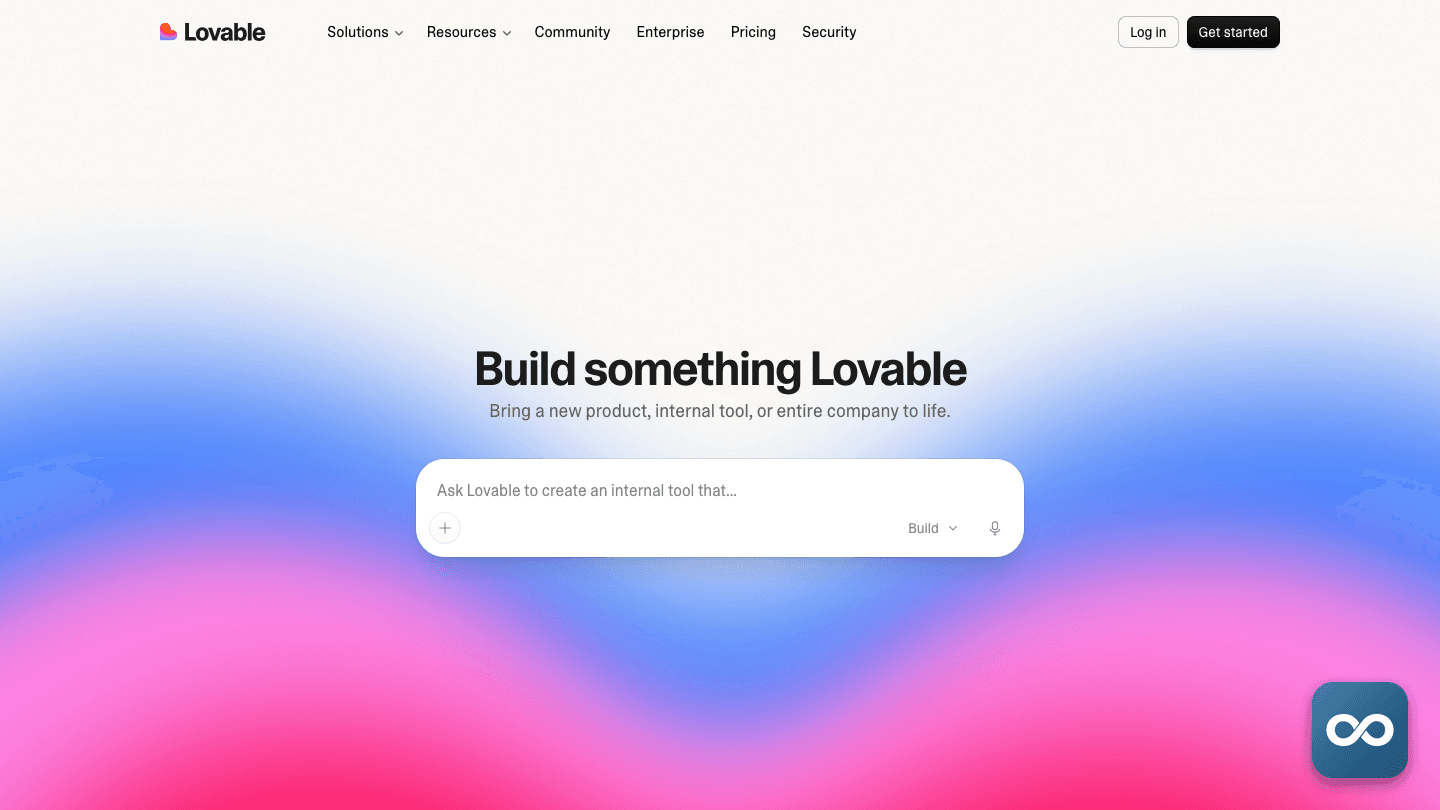
 LovableDescribe a web app in chat and Lovable writes real full-stack code, provisions the database, auth and hosting, and syncs the repo to GitHub or GitLab.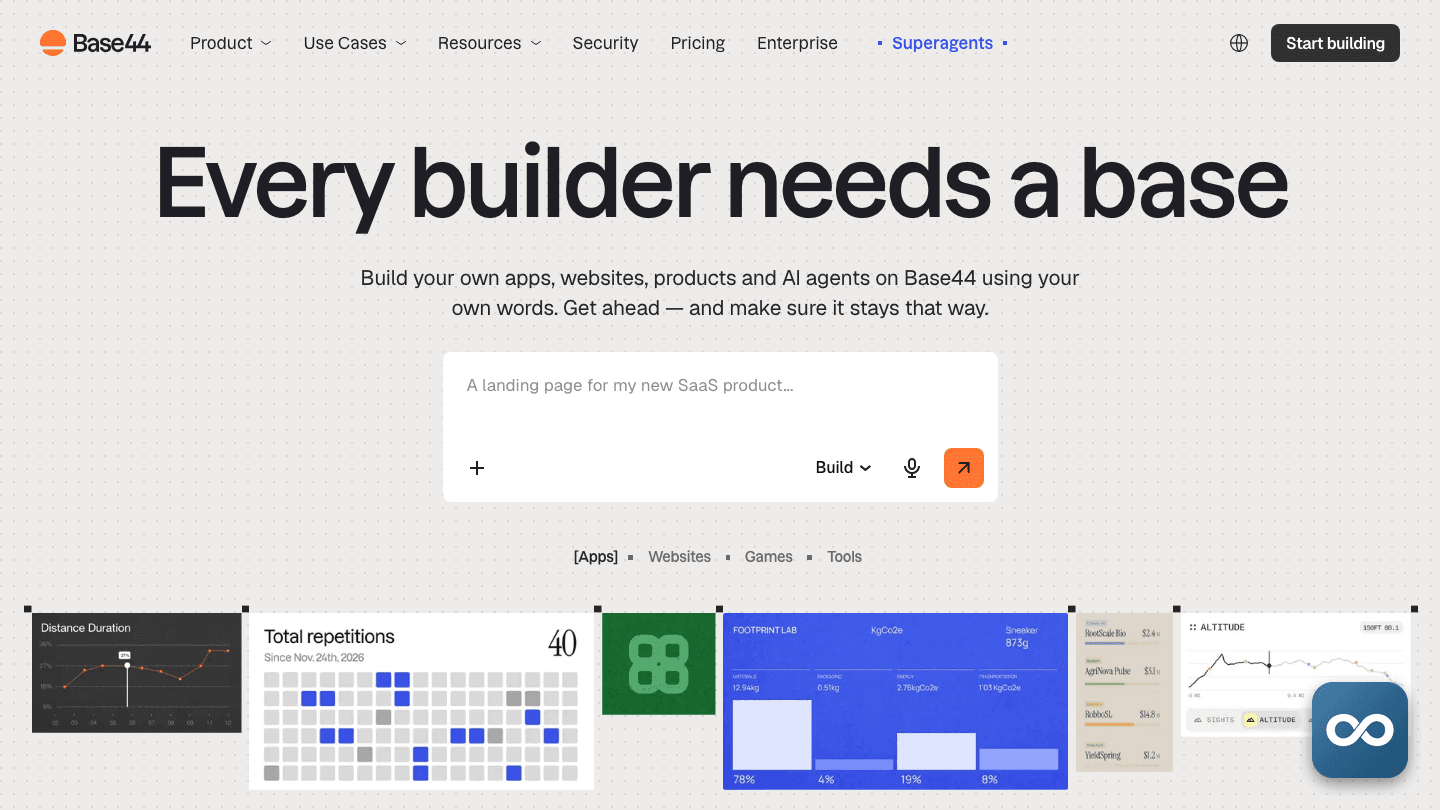
 Base44Wix-owned vibe coding platform that turns a plain-language brief into a hosted web app with data, logins, permissions and backend logic.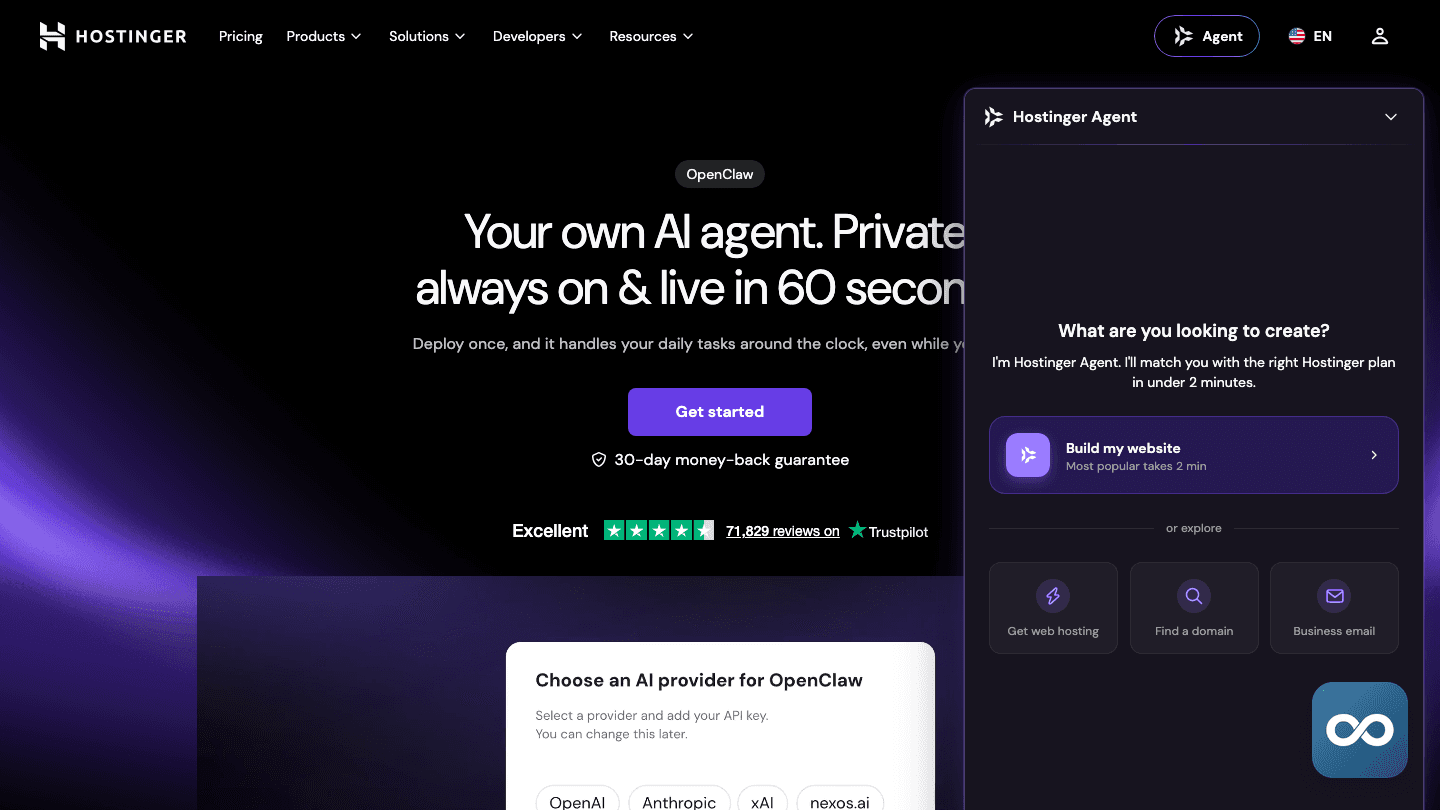
 Hostinger Managed OpenClawManaged hosting for OpenClaw: a private AI agent in an isolated Docker container, paired to WhatsApp or Telegram and running 24/7 with no server to maintain.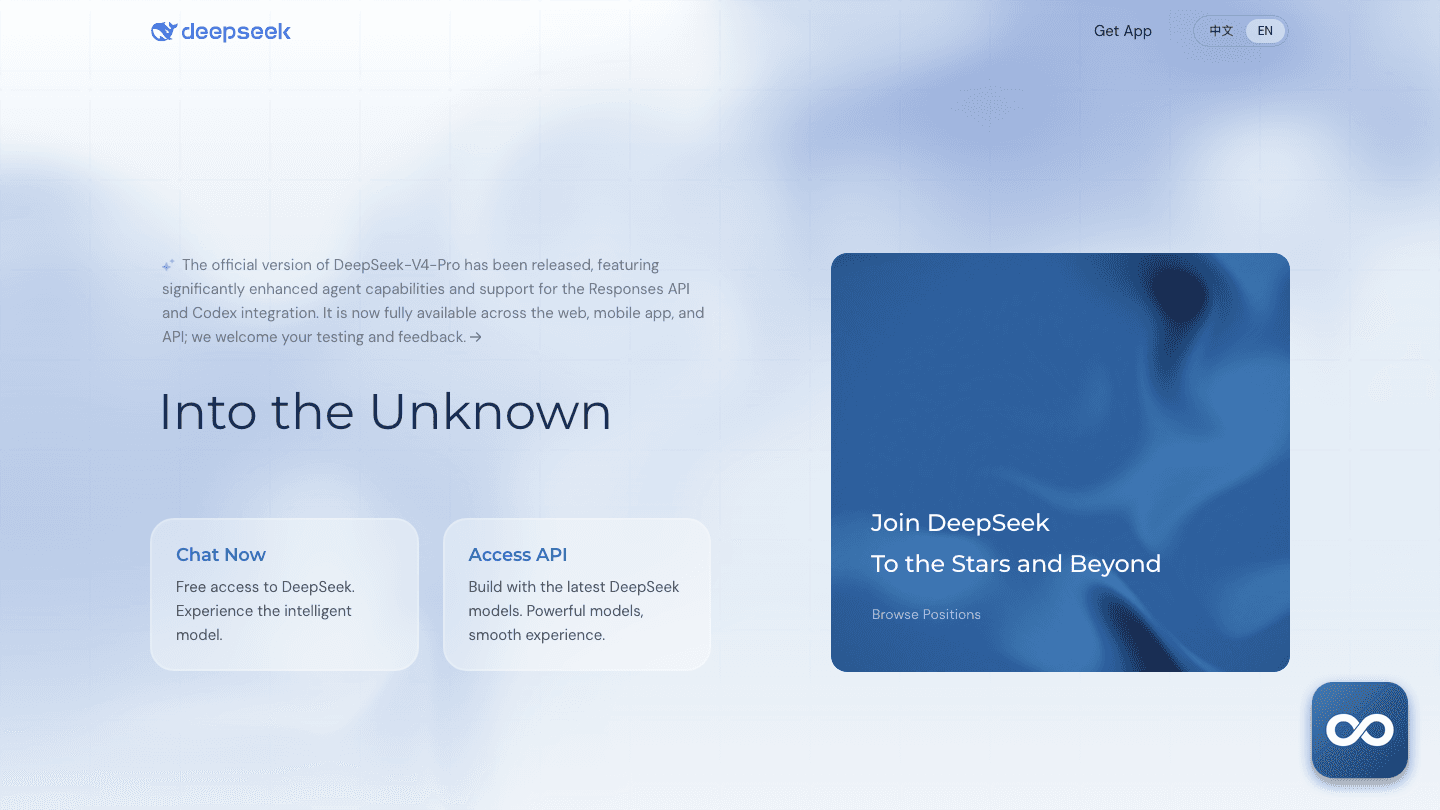
 DeepSeekOpen-weight AI lab whose hosted V4 models sit behind an OpenAI-compatible API, priced from $0.14 per million input tokens on a cache miss.
 HiggsfieldAI image and video in one workspace: 100+ named camera moves, 35+ models behind one interface, and character consistency that holds from shot to shot.
 CrushOn.AIAdult character roleplay and AI companion chat with user-created characters, plan-based memory up to 24K and a permanent free tier on free models.
Frequently asked questions
Company & links
- Company
- Emergent
- Founded
- 2025
- Founders
- Mukund Jha, Madhav Jha
- Leadership
- Mukund Jha, co-founder and CEO, is a former Google engineer who previously co-founded and served as CTO of Dunzo, and studied at Columbia Engineering. His twin brother Madhav Jha, co-founder and CTO, holds a PhD in theoretical computer science from Penn State, was a von Neumann postdoctoral fellow at Sandia National Laboratories and was a founding member of the team that shipped Amazon SageMaker, according to Y Combinator's company profile.
- Funding
- Five rounds totalling $230 million as of July 2026, according to the company and TechCrunch: a $7 million seed in 2024 led by Y Combinator and Together Fund, a $23 million Series A in September 2025 led by Lightspeed, an undisclosed Google AI Futures Fund investment in December 2025, a $70 million Series B in January 2026 led by Khosla Ventures and SoftBank Vision Fund 2 at a reported $300 million valuation, and a $130 million Series C in July 2026 led by Creaegis at a $1.5 billion valuation. No acquisition was found.
- Scale
- The company claimed more than 200 employees and $120 million in annual run-rate revenue in July 2026, alongside more than 200,000 paying customers and 12 million applications built. All of these are self-reported through TechCrunch or Emergent's own announcement and none is independently audited. Headquarters is listed inconsistently as Bangalore and San Francisco by Y Combinator and as Pleasanton, California elsewhere; the legal entity was not confirmed.
Try Emergent on work you already know
A task you’ve done before is the fastest way to judge whether Emergent fits your workflow and budget. Check the current plan terms on the official site before you subscribe.